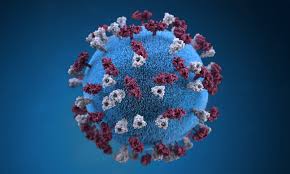
Immunisation has had a profound effect on the health of whole populations. It is second only to clean water in positive impact on health. Heavyweight successes include the worldwide eradication of small pox disease and the eradication of polio from the Western Pacific region. More recently in New Zealand, bacterial meningitis and epiglottis in children under 5 years caused by Haemophilus influenzae type b (Hib disease) has dropped from the 1992 high of 165 cases to the 2002 low of no reported cases, as a result of the Hib vaccine. This was previously the most common cause of bacterial meningitis in children under 5 years. Despite these successes, vaccination is often presented as a controversial parenting choice. It is important for health care workers to have up-to-date knowledge and be aware of current issues regarding immunisation. Recent research suggests many parents are unsure about immunisation. They often do not see the vaccine preventable diseases as relevant to their life, they fear the possible effects of vaccination and they are looking for more information on: the infant immune system, how vaccines work, vaccine safety, and alternatives. This item addresses each of these subjects and summarises recent and upcoming changes in the National Immunisation Schedule. The Purpose of Vaccination – Protection from Disease A vaccine aims to produce active immunity against a specific disease. It works by introducing a fragment or a weakened version of a pathogen (bacteria, virus or toxin), to the body. The immune system detects the “foreign” substance, and works to repel it, thus triggering the development of protective immune memory. |